Wednesday
Room 4
15:00 - 16:00
(UTC+02)
Talk (60 min)
Modern Graph Databases
The last decade has seen major changes in the way we work with highly interconnected data sets. Dozens of technologies came and went, replaced by completely new tools. Now, in the age of recommendation systems and AI, storing and querying data as a graph efficiently is more important than ever. Semantic graphs and clustering algorithms power the latest generation of agentic AI tools.
The industry has come up with completely new ways of working with graph data, which we’re going to take for a test drive in this talk! We’ll check out what changed in Neo4j, the only major graph database that is still with us after 10 years. Then we’ll discuss in-process analytical graph databases, which is an idea that didn’t even exist until just a few years ago. In particular, we’ll test KuzuDB and Memgraph with some demos and discuss when to use them. We’ll look at graph processing engines, like PuppyGraph, and see what makes them different from databases. Finally, to understand why graph databases have become more important than ever in the age of LLMs, we’ll build an AI agent augmented by a knowledge graph served from FalkorDB.
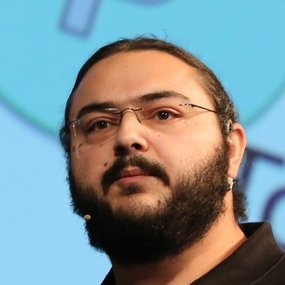
David Ostrovsky
At age 9 little David found an old book called "Electronic Computational Machines" at the library and, after reading it in a single weekend, decided that this was what he wanted to do with his life. Three years later he finally got to touch a computer for the first time and discovered that it was totally worth the wait. One thing led to another and now he’s a software engineer at Meta. David is a software developer with over 25 years of industry experience, speaker, trainer, blogger and co-author of “Pro Couchbase Server”. He specializes in large-scale distributed system architecture.